Kate Session Planted Trees in Balboa Park

How Kate Sessions Chose Trees for Balboa Park’s Groves


Kate Sessions Legacy Gardens

  • How Kate Sessions Chose Trees for Balboa Park’s Groves

    How Kate Sessions Chose Trees for Balboa Park’s Groves

    Trees and Plants Tailored to San Diego’s Unique Climate,

    Kate Sessions meticulously selected trees and plants tailored to San Diego’s unique climate, ensuring the park’s greenery remained vibrant for generations. She introduced Canary Island Pines, Eucalyptus, Acacias, and Brazilian Pepper Trees, shaping the park’s lush landscape. Her focus was on sustainability, selecting species that would thrive while requiring minimal water maintenance.

    “In 1892, Sessions leased 30 acres from San Diego City Council to establish a nursery at City Park’s northwest corner (today’s Balboa Park). She agreed to plan 100 trees in the park anually and provide 300 trees for public spaces and schoolyards. Sessions introduced various species of acacias, palm, and pines. Her trip to the Baja peninsula yield a botanical tresure: San Jose palm (Brahea brandegeei) seeds that she cultivated and planted the Cabrillo Canyon.”

    Beyond tree planting, Sessions created shaded groves and scenic pathways throughout Balboa Park. Her work extended to Palm Canyon and Cabrillo Canyon, where she introduced towering palms that remain integral to the park’s identity. These spaces provide not only aesthetic appeal but also ecological benefits, improving air quality and cooling surrounding areas.

    Her selections continue to define Balboa Park, offering a natural retreat within an urban setting. The trees she planted provide a lasting connection between nature and community, reinforcing her belief in the power of urban green spaces.

    Kate Sessions’ Favorite Trees in Balboa Park

    Kate Sessions introduced a variety of trees to Balboa Park, carefully selecting species that would thrive in San Diego’s semi-arid climate. Some of her favorite and most notable trees included:

    • San José Palms (Brahea brandegeei) – Sessions brought seeds from Baja California and cultivated these palms, which now flourish in Cabrillo Canyon.
    • Canary Island Pines (Pinus canariensis) – These tall, elegant pines were among her preferred choices for creating shaded groves.
    • Eucalyptus Trees (Eucalyptus globulus) – Sessions planted Tasmanian blue gums, which became a defining feature of Balboa Park’s landscape.
    • Brazilian Pepper Trees (Schinus terebinthifolia) – She introduced these ornamental trees, known for their vibrant red berries and lush foliage.
    • Acacias (Acacia species) – Sessions cultivated various acacia species, adding diversity to the park’s greenery.

    Her selections were guided by sustainability and adaptability, ensuring that Balboa Park remained a thriving botanical retreat. Many of these trees still stand today, serving as a living tribute to her horticultural expertise.
  • Preserving Kate Session’s Palm Canyon is Important

    Preserving Kate Session’s Palm Canyon is Important

    Palm Canyon – Balboa Park’s Most Treasured Area

    Palm Canyon remains one of Balboa Park’s most treasured spaces, but ongoing preservation efforts are needed to protect its natural beauty. Many of the 450 palm trees, originally planted under Sessions’ guidance, require careful management to prevent damage from environmental conditions and urban expansion.

    Organizations dedicated to maintaining Balboa Park focus on restoring and protecting historic plantings, ensuring Palm Canyon remains a shaded sanctuary for visitors. Conservationists work to replace aging palms while preserving the original species Kate Sessions selected, maintaining the integrity of her design.

    Ensuring Palm Canyon’s health benefits future generations, reinforcing the importance of green spaces in urban environments. Every towering palm is a reflection of Sessions’ legacy, proving how one woman’s vision can shape a landscape for centuries to come.

  • Kate Sessions’ Vision for Palm Canyon

    Kate Sessions’ Vision for Palm Canyon

    Balboa Park’s Palm Trees

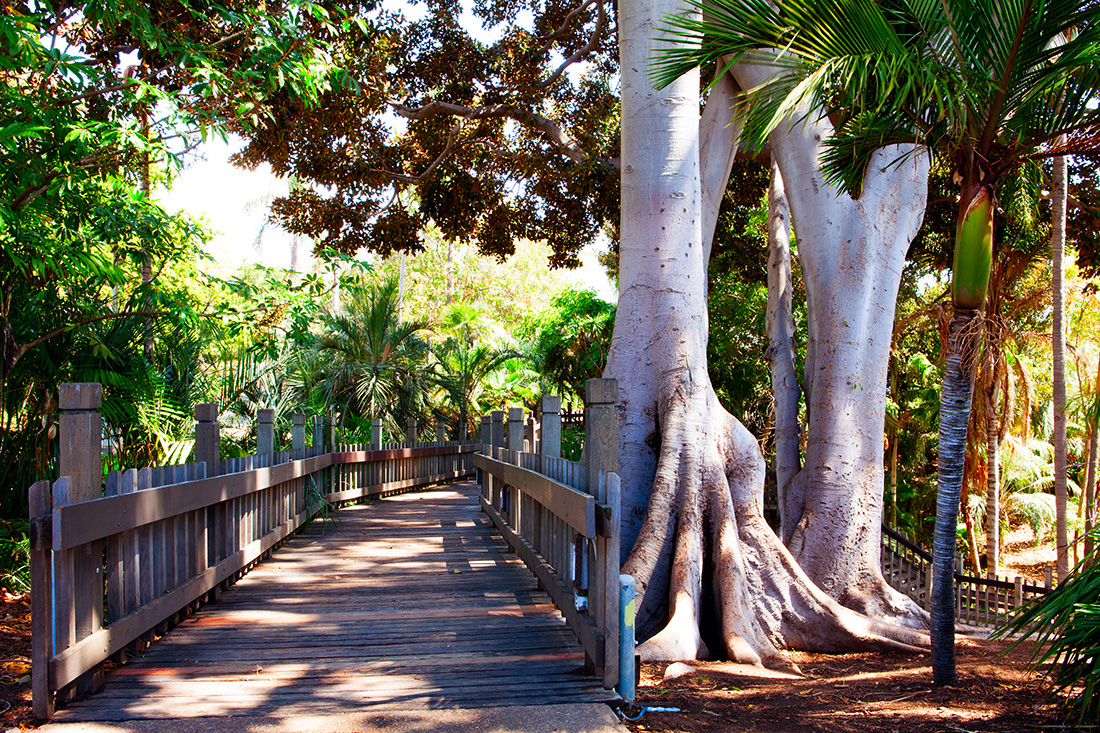
    Kate Sessions played a key role in developing Palm Canyon, one of Balboa Park’s most picturesque landscapes. In 1912, she oversaw the planting of towering Mexican Fan Palms, which became the foundation of the lush canyon visitors enjoy today. The space now houses over 450 palm trees spanning 58 species, providing a tranquil and shaded retreat in the heart of the park.

    Palm Canyon’s winding pathways and carefully cultivated trees showcase Sessions’ expertise in selecting plants suited to San Diego’s environment. She understood the importance of incorporating shade-providing species, allowing the canyon to flourish as a botanical escape. Her palm groves remain an iconic part of Balboa Park’s visual identity, adding to the park’s diverse green spaces.

    Today, Palm Canyon continues to thrive, thanks to ongoing conservation efforts inspired by Sessions’ horticultural vision. Visitors walking through this serene oasis experience the lasting beauty she carefully designed, highlighting her enduring impact on Balboa Park’s landscape.

    ,
  • Endangered and Rare Plants Introduced by Kate Sessions

    Notable rare and endangered plants and trees

    Kate Sessions introduced several rare and endangered plant species to Balboa Park, many of which continue to thrive today. Here are some of the most notable ones:

    • Guadalupe Cypress (Cupressus guadalupensis) – A rare tree native to Guadalupe Island, Mexico, threatened by habitat loss and overgrazing by feral goats.
    • San José Palms (Brahea brandegeei) – Originally from Baja California, these palms were cultivated by Sessions and planted in Cabrillo Canyon.
    • Tasmanian Blue Gum (Eucalyptus globulus) – While widely planted, some populations of this species are considered vulnerable due to habitat changes.
    • Aloe & Agave Species – Sessions helped establish the Aloe and Agave Garden, featuring rare drought-tolerant plants.
    • Protea Plants – Introduced in the Kate O. Sessions Cactus Garden, these exotic species from Africa and Australia are rare in California.

    Her selections contributed to Balboa Park’s biodiversity, ensuring that rare and climate-adapted species thrived in San Diego’s environment, many of which continue to thrive today..

    Balboa Park’s palm trees have faced a serious threat from the South American Palm Weevil

    In recent years, Balboa Park’s palm trees have faced a serious threat from the South American Palm Weevil (Rhynchophorus palmarum). This invasive beetle was first detected in San Diego County in 2011 and has since killed hundreds of palm trees across Southern California. The weevil lays its eggs inside palm trees, and once the larvae hatch, they burrow into the heart of the palm, feeding on the tree’s tissue until it collapses.

    To combat this issue, Forever Balboa Park has partnered with the City of San Diego to treat vulnerable trees and remove infected ones. Thanks to funding from the SDG&E Environmental Champions Grant, they have been able to support the removal and treatment of many affected palms throughout the park’s 1,200 acres. Conservationists continue working to protect Balboa Park’s historic palm trees, ensuring that Sessions’ legacy remains intact for future generations. Let me know if you’d like more details!

    How the Public Can Help

    Residents and visitors can assist in combating the spread of the palm weevil.

    • Reporting infested trees using the Get-It-Done app or the UC Riverside Center for Invasive Species Research.
    • Setting up palm weevil traps to help mitigate their impact.
      Planting native trees, such as the California Fan Palm (Washingtonia filifera), which is less susceptible to palm weevil infestations.

    These efforts aim to protect Balboa Park’s historic palm trees and ensure that its lush landscape remains intact for future generations.

  • Kate Sessions – “Mother of Balboa Park”

    Kate Sessions – “Mother of Balboa Park”

    Vision and Dedication

     
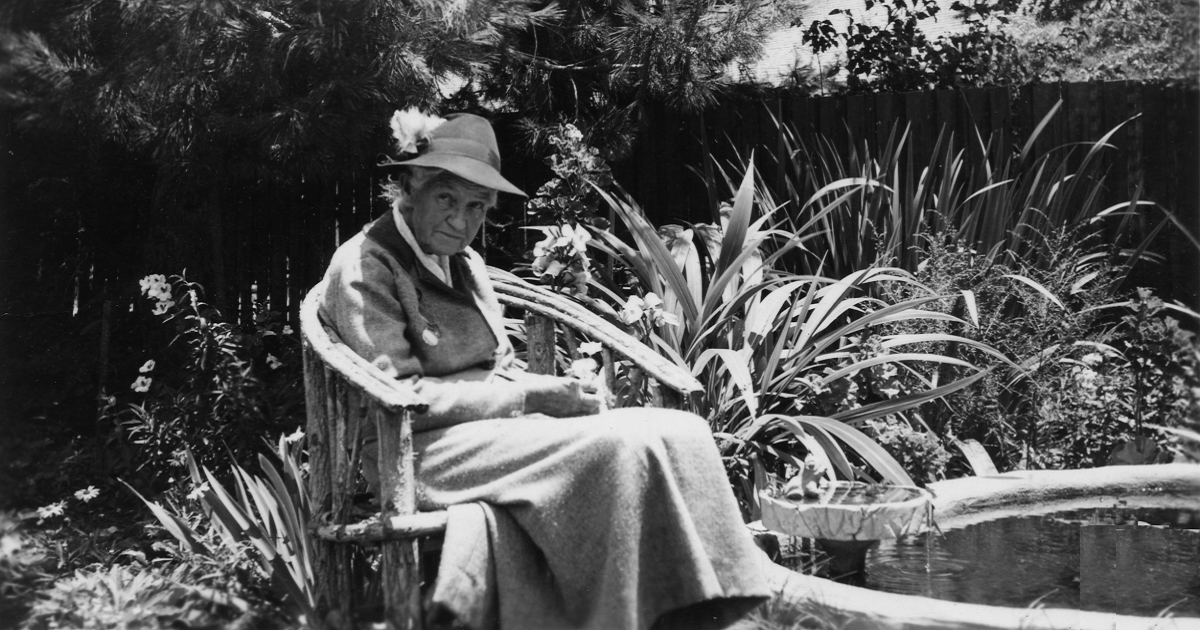
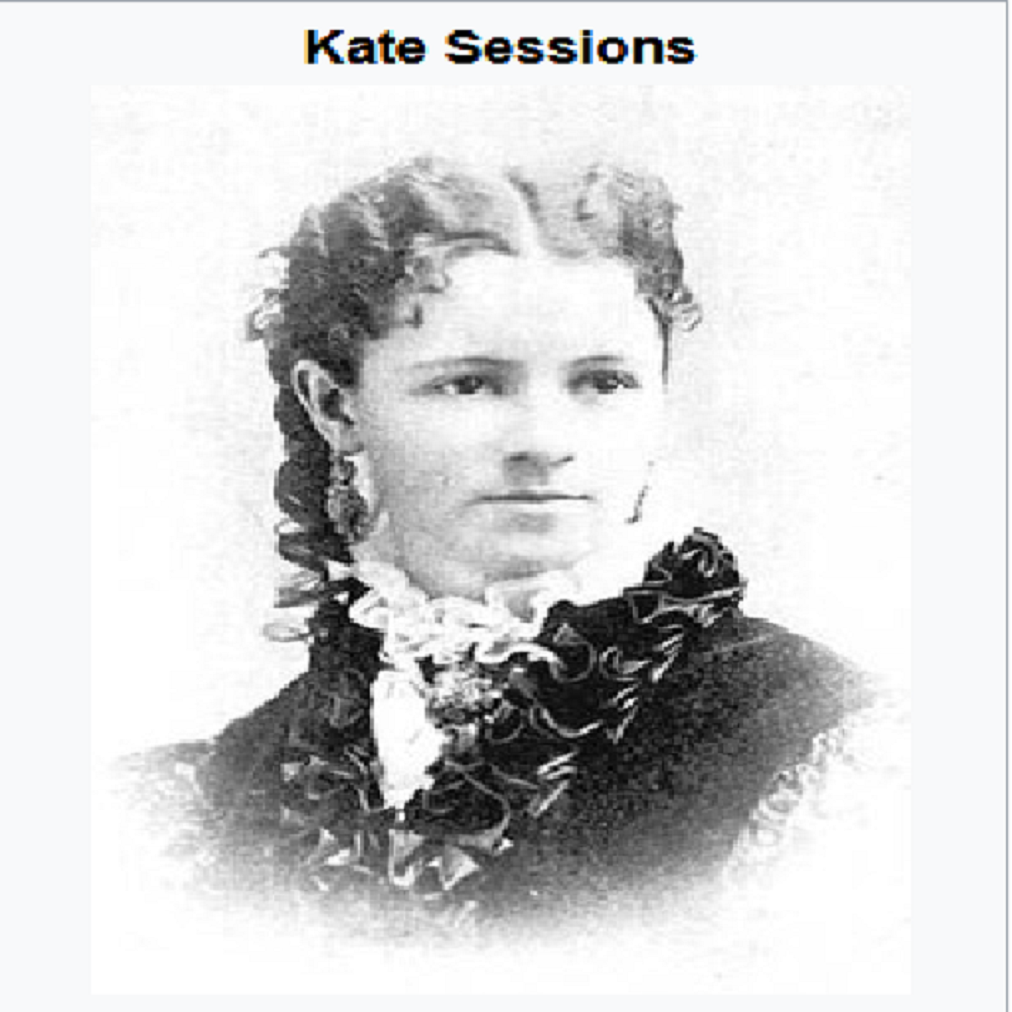
    Kate Sessions, known as the “Mother of Balboa Park,” played a crucial role in shaping the park’s landscape into the lush, green space it is today. In 1892, she leased 30 acres of land within the park to establish a nursery, agreeing to plant 100 trees per year in Balboa Park and 300 trees per year throughout San Diego. Her vision and dedication transformed the once barren land into a thriving botanical haven.

    • One of her most significant contributions was the Kate O. Sessions Cactus Garden, developed for the 1935 California Pacific International Exposition. This historic garden features some of the largest cactus and succulent specimens in the park, along with exotic plants from Africa and Australia. Her expertise in selecting climate-appropriate flora ensured that Balboa Park flourished in San Diego’s semi-arid environment.
    • Beyond the cactus garden, Sessions introduced a variety of trees and plants throughout Balboa Park, including acacias, palms, and pines. She carefully selected species that would thrive in the local climate, creating a lasting legacy of greenery. Many of the mature trees that still grace the park today were planted under her direction, including the San José Palms in Cabrillo Canyon.

    Kate Sessions’ influence on Balboa Park remains undeniable. Her commitment to horticulture and urban beautification helped establish the park as a botanical treasure. Today, visitors can still admire the towering trees and vibrant gardens she cultivated, a testament to her lasting impact on San Diego’s most beloved green space.

  • Gardens and Landscapes Kate Sessions Created

    Kate Sessions worked to shape the landscape and gardens with carefully selected climate-appropriate trees and plants to ensure Balboa Park’s continue to flourish as a beautiful lush thriving botanical retreat today.

    • Kate O. Sessions Cactus Garden – Developed for the 1935 California Pacific International Exposition, featuring large cacti, succulents, and exotic Protea plants.
    • Old Cactus Garden – Another historic cactus garden developed under Sessions’ direction for the 1935 exposition, showcasing drought-tolerant plants.
    • Tree Groves & Landscaped Areas – Sessions introduced acacias, palms, pines, eucalyptus, and Brazilian pepper trees, shaping the park’s forested spaces.
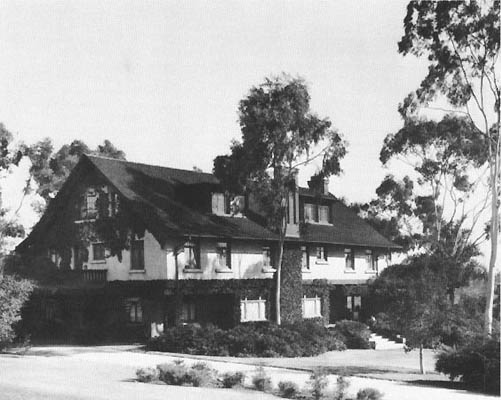
    • Marston House Gardens – Sessions contributed to the landscaping around the Marston House, planting Canary Island Pines and other ornamental trees.
    • Palm Canyon – Home to over 450 palm trees spanning 58 species, including Mexican Fan Palms planted under Sessions’ guidance in 1912.
    • Cabrillo Canyon – Sessions cultivated San José Palms here, bringing seeds from Baja California to establish a thriving palm grove.
    • !

  • Kate O. Sessions Cactus Garden

    Exploring the History of the Cactus Garden

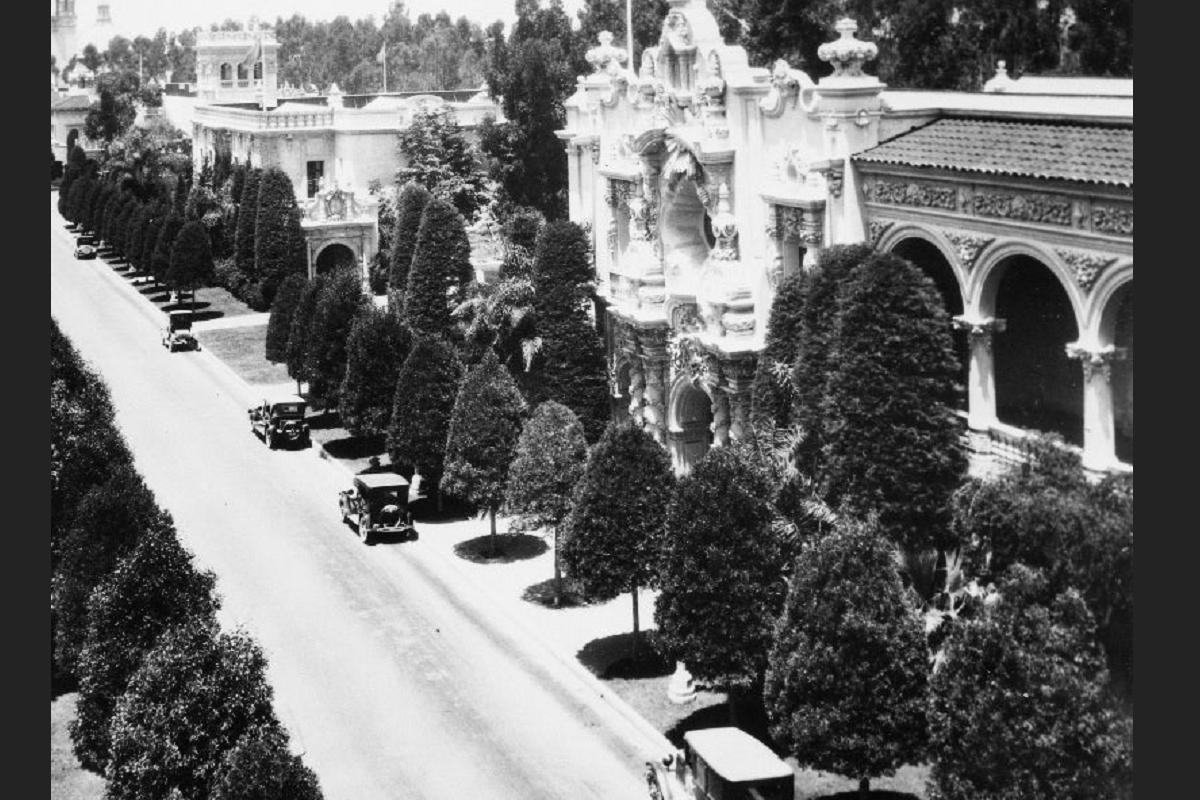
    The Kate O. Sessions Desert Garden, now the Cactus Garden, was developed for the 1935 California Pacific International Exposition and remains one of Balboa Park’s most striking gardens. Sessions carefully selected drought-tolerant species, ensuring they thrived in San Diego’s semi-arid climate. The garden features towering cacti, succulents, and Protea plants sourced from diverse ecosystems, including Africa and Australia.

    This specialized garden showcases Prickly Pear, Agave, and Barrel Cacti, arranged to create a visually stunning display of desert flora. Sessions’ deep understanding of plant adaptability allowed her to introduce species that required minimal water, demonstrating sustainable landscaping techniques. The garden is a testament to her foresight in urban horticulture, blending ornamental beauty with environmental responsibility.

    Walking through the Cactus Garden, visitors can appreciate the thoughtful selection of plants that Sessions introduced. Her influence remains woven into Balboa Park’s botanical identity, solidifying her legacy as a pioneer in California horticulture.

  • The Marston Home Garden

    The Marston Home Garden

    A Collaboration with Kate Sessions

    George W. Marston, a businessman and civic leader, was deeply invested in urban beautification. His home, built in 1905, was designed to blend indoor and outdoor spaces harmoniously. To complete the garden, he sought the expertise of Kate Sessions, who was already transforming Balboa Park’s landscape.

    1. The Vision Behind the Garden

    Sessions ensured that the garden reflected San Diego’s natural beauty, incorporating native live oaks and carefully selected drought-resistant species. Her work preserved the original design while enhancing its sustainability and aesthetic appeal.

    2. The Plants and Trees Sessions Introduced

    Sessions was known for her thoughtful planting choices, and the Marston Home’s garden was no exception. She introduced:

    Century-old Tasmanian blue gums (Eucalyptus globulus) – towering trees that frame the property. San José Palms (Brahea brandegeei) – a species she cultivated from Baja California seeds.
    Acacias and pines – adding shade and structure to the garden’s layout.

    Sessions selections ensured that the garden would thrive in San Diego’s climate while maintaining its historic charm.

    3. The Legacy of the Marston Home Garden

    Today, the Marston Home’s garden stands as a testament to Sessions’ expertise and Marston’s vision for a greener San Diego. It remains a historical landmark, showcasing how urban planning and horticulture can work together to create lasting beauty.

    Visitors can explore the lush greenery, admire the century-old trees, and appreciate the collaborative effort that shaped this iconic space.