Trees and Plants Tailored to San Diego’s Unique Climate,
Kate Sessions meticulously selected trees and plants tailored to San Diego’s unique climate, ensuring the park’s greenery remained vibrant for generations. She introduced Canary Island Pines, Eucalyptus, Acacias, and Brazilian Pepper Trees, shaping the park’s lush landscape. Her focus was on sustainability, selecting species that would thrive while requiring minimal water maintenance.
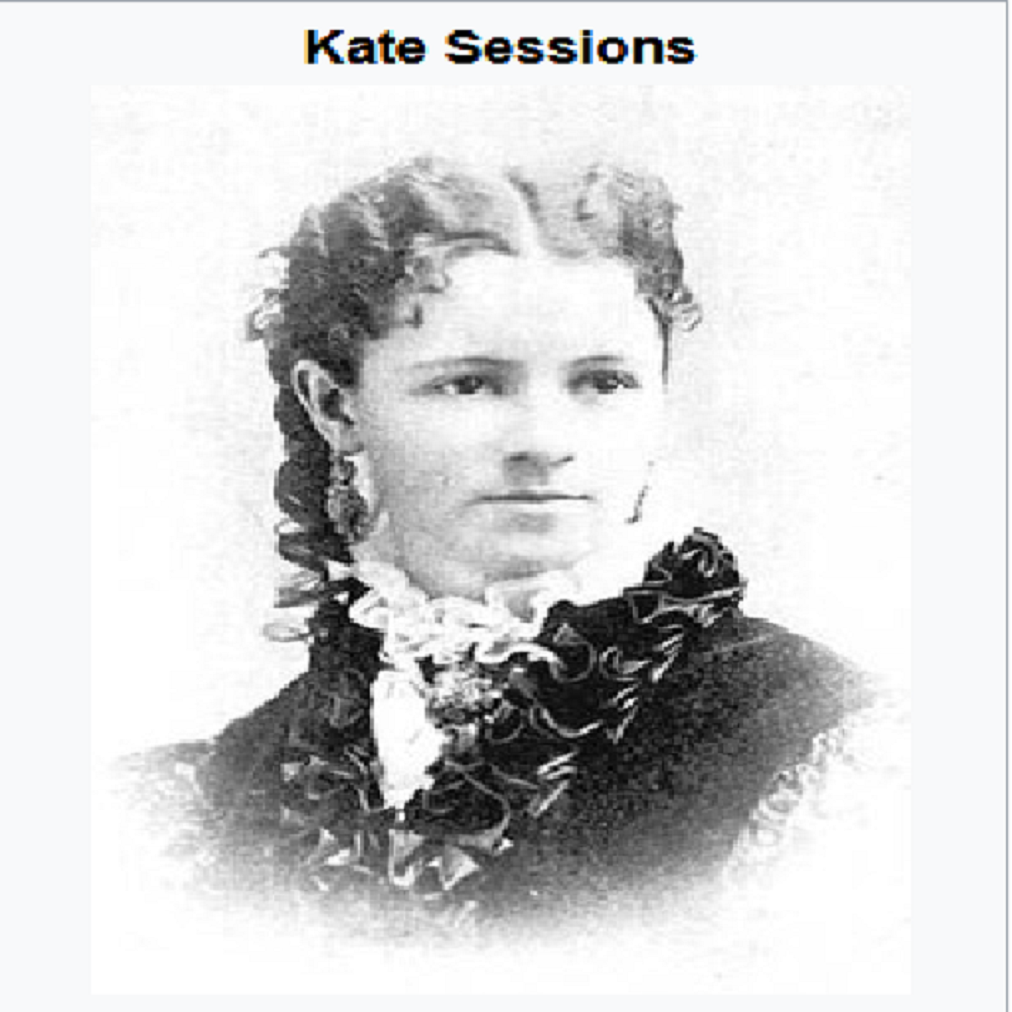
“In 1892, Sessions leased 30 acres from San Diego City Council to establish a nursery at City Park’s northwest corner (today’s Balboa Park). She agreed to plan 100 trees in the park anually and provide 300 trees for public spaces and schoolyards. Sessions introduced various species of acacias, palm, and pines. Her trip to the Baja peninsula yield a botanical tresure: San Jose palm (Brahea brandegeei) seeds that she cultivated and planted the Cabrillo Canyon.”
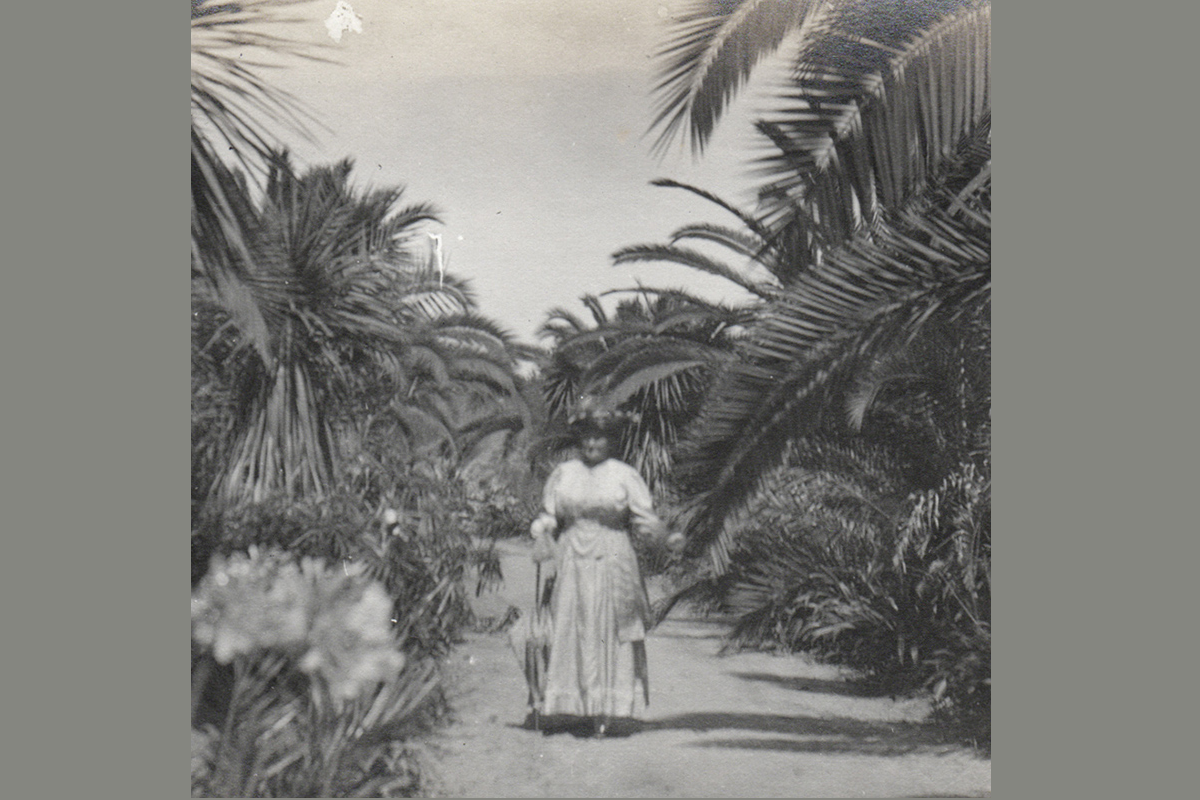
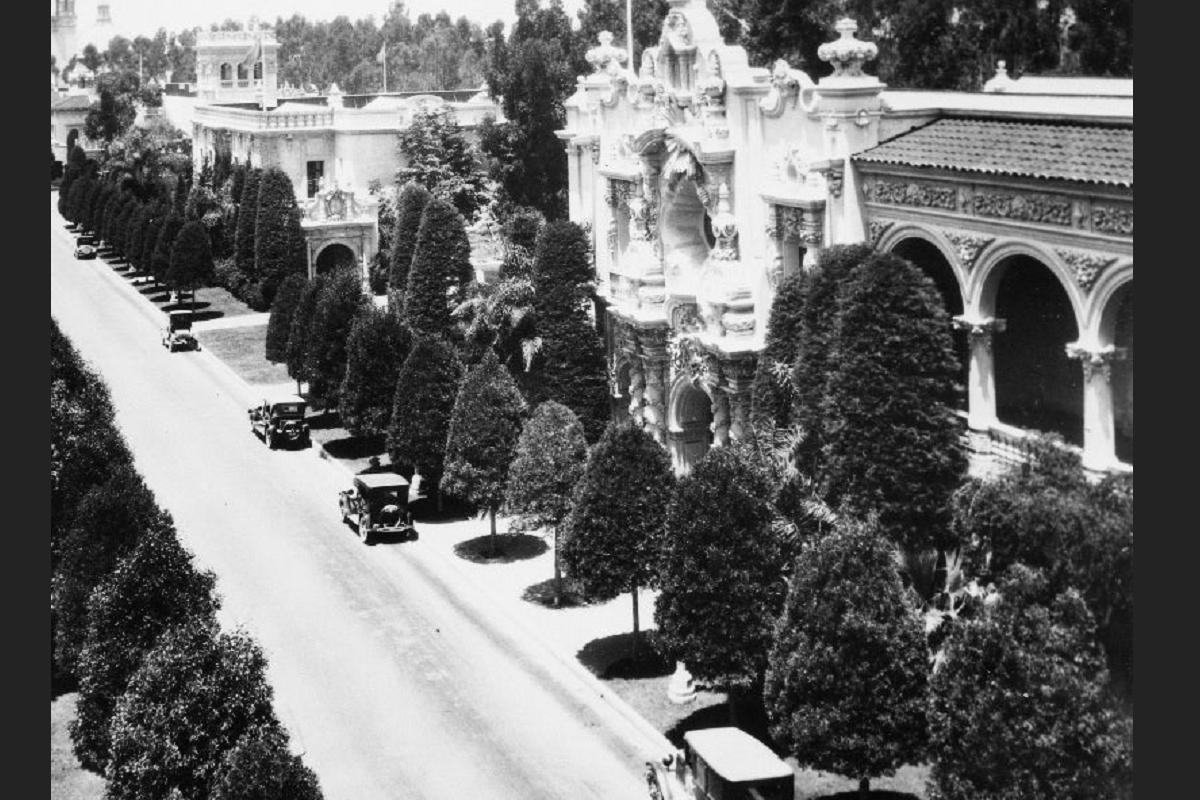
Beyond tree planting, Sessions created shaded groves and scenic pathways throughout Balboa Park. Her work extended to Palm Canyon and Cabrillo Canyon, where she introduced towering palms that remain integral to the park’s identity. These spaces provide not only aesthetic appeal but also ecological benefits, improving air quality and cooling surrounding areas.
Her selections continue to define Balboa Park, offering a natural retreat within an urban setting. The trees she planted provide a lasting connection between nature and community, reinforcing her belief in the power of urban green spaces.
Kate Sessions’ Favorite Trees in Balboa Park
Kate Sessions introduced a variety of trees to Balboa Park, carefully selecting species that would thrive in San Diego’s semi-arid climate. Some of her favorite and most notable trees included:
- San José Palms (Brahea brandegeei) – Sessions brought seeds from Baja California and cultivated these palms, which now flourish in Cabrillo Canyon.
- Canary Island Pines (Pinus canariensis) – These tall, elegant pines were among her preferred choices for creating shaded groves.
- Eucalyptus Trees (Eucalyptus globulus) – Sessions planted Tasmanian blue gums, which became a defining feature of Balboa Park’s landscape.
- Brazilian Pepper Trees (Schinus terebinthifolia) – She introduced these ornamental trees, known for their vibrant red berries and lush foliage.
- Acacias (Acacia species) – Sessions cultivated various acacia species, adding diversity to the park’s greenery.
Her selections were guided by sustainability and adaptability, ensuring that Balboa Park remained a thriving botanical retreat. Many of these trees still stand today, serving as a living tribute to her horticultural expertise.