Notable rare and endangered plants and trees
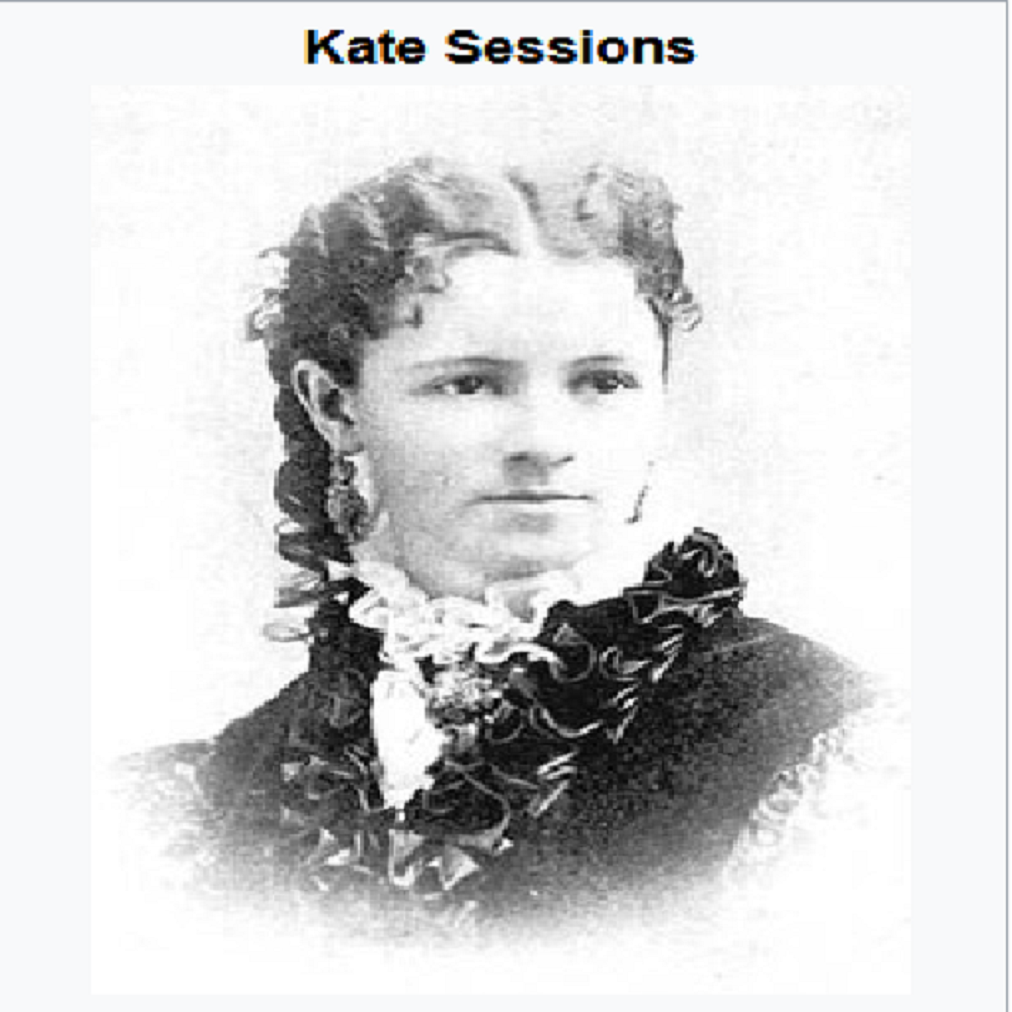
Kate Sessions introduced several rare and endangered plant species to Balboa Park, many of which continue to thrive today. Here are some of the most notable ones:
- Guadalupe Cypress (Cupressus guadalupensis) – A rare tree native to Guadalupe Island, Mexico, threatened by habitat loss and overgrazing by feral goats.
- San José Palms (Brahea brandegeei) – Originally from Baja California, these palms were cultivated by Sessions and planted in Cabrillo Canyon.
- Tasmanian Blue Gum (Eucalyptus globulus) – While widely planted, some populations of this species are considered vulnerable due to habitat changes.
- Aloe & Agave Species – Sessions helped establish the Aloe and Agave Garden, featuring rare drought-tolerant plants.
- Protea Plants – Introduced in the Kate O. Sessions Cactus Garden, these exotic species from Africa and Australia are rare in California.
Her selections contributed to Balboa Park’s biodiversity, ensuring that rare and climate-adapted species thrived in San Diego’s environment, many of which continue to thrive today..
Balboa Park’s palm trees have faced a serious threat from the South American Palm Weevil
In recent years, Balboa Park’s palm trees have faced a serious threat from the South American Palm Weevil (Rhynchophorus palmarum). This invasive beetle was first detected in San Diego County in 2011 and has since killed hundreds of palm trees across Southern California. The weevil lays its eggs inside palm trees, and once the larvae hatch, they burrow into the heart of the palm, feeding on the tree’s tissue until it collapses.
To combat this issue, Forever Balboa Park has partnered with the City of San Diego to treat vulnerable trees and remove infected ones. Thanks to funding from the SDG&E Environmental Champions Grant, they have been able to support the removal and treatment of many affected palms throughout the park’s 1,200 acres. Conservationists continue working to protect Balboa Park’s historic palm trees, ensuring that Sessions’ legacy remains intact for future generations. Let me know if you’d like more details!
How the Public Can Help
Residents and visitors can assist in combating the spread of the palm weevil.
- Reporting infested trees using the Get-It-Done app or the UC Riverside Center for Invasive Species Research.
- Setting up palm weevil traps to help mitigate their impact.
Planting native trees, such as the California Fan Palm (Washingtonia filifera), which is less susceptible to palm weevil infestations.
These efforts aim to protect Balboa Park’s historic palm trees and ensure that its lush landscape remains intact for future generations.